I have been making my own jam for a few months
now and I tell you once you start making your own jam or buying homemade jam
you may never want to go back to mass factory produced commercial jams...I can
assure you of that. So far I have made Pineapple jam, Mango jam, Apple jam...
Blueberry
Jam
Red
plum jam
And I mastered my absolute favourite marmalade
which makes me sooo happy. You see I am not really a jam person like that but
you see marmalade...you can kidnap me using marmalade as bait! I absolutely
love love love marmalade and it gives me soooo much joy to finallybe
able to make my own.
Marmalade
Oh and I even made another favourite mango
chutney! Looking forward to making pineapple chutney next.
Mango chutney
Don’t know what to call this era but I have
been in the kitchen a whole lot rediscovering my love for baking, which I
haven’t done in maybe three years and in a span of three weeks I have made
chocolate cake, carrot cake, these two are my favourite, and banana bread. As a
bonus I even made samosas (we call them sambusa) from scratch as in I made the
pockets/sheets myself,something I haven’t done in a
couple of years I usuallyjust buy readymade sambusas.
Whatever this era is I am loving it because I am rediscovering parts of myself
that had been lost or hidden away maybe due to trauma and doing things that
make me happy and I love that for me.
Not my best work but hey it had been a few years since I made these from scratch!
Sambusa
As an Amazon Affiliate I may earn a commission from qualifying
purchases.
I grew up in and still live in a pretty much
multicultural society, I guess this is part of the reason why I find homogenous
societies fascinating. Like what do you mean you grew up in or live around
people who look like you, eat the same food as you, share the same religion,
have the same culture I find it intriguing. Maybe because all I have ever known
from young is variety, listen it was the norm in my neighbourhood, to get a
tray of sweet treats during Diwali, tasty snacks during Ramadhan from our
neighbours and go carollingat Christmas. The funny thing
though is I hadn’t realised how multicultural I was until I realised that these
foods have become a staple in my house they feature on the menu at least once a
month;
Jollof rice
Jerk Chicken
Curry Goat
Filipino Adobo
Trinidadian Pelau
Afghan Pulao
Rice and peas
Festival
Fried dumplings
Egg fried rice
None of which are native to me....
As an Amazon Affiliate I may earn a commission from qualifying
purchases.
I got into a Christmas traditions rabbit hole
this holiday season thanks to YouTube, and it was quite fascinating learning
about the history of most of the staple Christmas traditions widely practiced
worldwide, like the Christmas tree and its decorations and Christmas cards
among others. Traditions some of which are quite recent most being just a
little over a century old. In my learning and unlearning it was interesting to
discover how these traditions were shipped from their native lands and on to
other lands who now firmly hold on to these once “foreign” traditions. I mean
you hear of statements such as “what is Christmas without XYZ” from people all
the time around the festive period.
All this talk about traditions got me thinking
about some of the traditions which some African people hold on to for dear life,
and so I ask;
Dear African person, is it really your tradition or does it have
its roots somewhere in Victorian England or medieval France? Is it really your
tradition or can you trace it back to Arabia if you squinted hard enough?
It’s crazy to think that we are just a few
generations removed from colonialism going by when the majority of African
countries got their independence in the 60s, and we have lost quite a bit of
our native customs and spiritual beliefs. Anyway what do I know I am just a girl
relearning her African tribes’ traditions and spiritual beliefs and connecting
with my ancestors.
Happy
New Year People!
As an Amazon Affiliate I may earn a commission from qualifying
purchases.
One thing about me if I find something, an item of clothing I like, it fits me and I
can afford to I will buy it in all the colours it comes in that appeal to me.
In retrospect this may actually be something I carried over from my childhood,
I was raised in a bulk shopping household; we bought most items in bulk. So
that being said I am also a fan of wholesale shopping not only do you get to
buy in bulk but at a cheaper cost than retail as well. This works well for
people who prefer to do their shopping once and forget about it until they need
to stock up again, and also for small scale business people who may want to
resell items they bought wholesale. Not only do I buy clothing items like
regular undergarments wholesale but if find them I also purchase wholesale shapewearespecially if it
fits me well and I know that these are items that I will wear on a regular
basis. I don’t want to be in a situation where I need to wear shape wear and
the one and only piece I own is dirty or in the wash. No thank you! So I invest
in them in bulk.
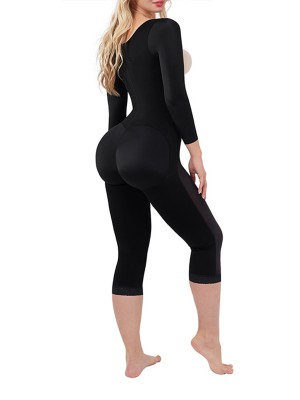
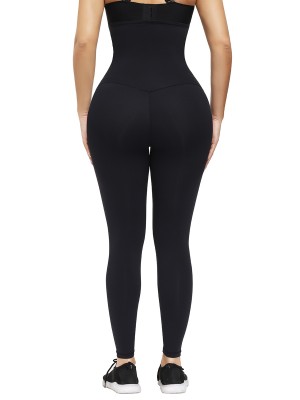
Feelingirldress.com has an array of body
shapers to choose from and you can find the best body shaperto suit your needs on their site. They have an
array of products to choose from not just for the girls but for the guys as
well. Items range from waist trainers, men active wear, sports bras, yoga
leggings and one of my favourite products on the site seamless shaper waist
trainer leggings among others. They offer very affordable deals on their
website; I was amazed at the prices on display and they currently have an amazing
US$5 off offer upon joining the site. Head on over to the website at Feelingirldress.com
for more information on how to join, how to order, payment and shipping and
customer service information today or click the links in bold to check out
their amazing product line for all you gorgeous gorgeous girls and gents out
there.
Bhajias or Bhajis/Pakoras came to East
Africa (specifically Kenya and Tanzania
for this post) from India thanks to colonialisation, trade and
migration.We adapted them and made them
our own. Here are some variations of bhajias that I like to make.
All vegetarian friendly but deep fried so you may want to burn off the calories
the next day.
Potato Bhajias
Sometimes referred to as Maru bhajias (Kenya). These are thinly round sliced
potatoes coated in seasoned gram flour (chickpea
flour) batter; I like to season mine with salt, cumin seeds, coriander
leaves, cayenne pepper and sometimes turmeric. You simply coat the potatoes in
the batter and deep fry. This recipe also works well for sturdy vegetables like
aubergines, cauliflowers, courgettes, onions, sweet peppers etc. Simply slice
the vegetable if it needs slicing or coat it whole if it doesn’t require
slicing in seasoned gram flour and fry.
These are exactly as the name
suggests. Somewhere in the Indian sub continent these are called Lobia Vada/Alasanda
Vada. If you are West African these are like rough ground Akara because the
recipe is similar; soak cow peas/black eyed peas overnight or for at least 10
hours or more if you have the time. Grind them; add spices of your choice and
fry major difference is these are ground to a rough finish not smooth like
Akara. You may or may not choose to remove the skins it really doesn’t make
much of a difference to me. For these ones I added chopped red onions, ginger
paste, coriander leaves, red chillies and salt.Traditionally these were ground using a good old mortar and pestle which
I still use if I am making a small quantity and need an arm workout, otherwise
you can just use an electric grinder. I say grinder as opposed to blender
because with a blender you would need to add water which you will have to
strain because otherwise the mixture will be runny, I prefer to use a grinder
much easier.Just drain all the water
before grinding. To the western world these are similar to Middle Eastern
Falafel. The major difference is that Falafel is made with chickpeas in the
Middle East. I also suspect that in
addition to India, Middle Eastern traders who plied the trade route between the
Middle East and the East coast of Africa and ended up settling in East Africa
may also have contributed to the adaptation of this dish in East Africa. If you
make them bigger, they make for a great sandwich filling.Here’s a link
(East African)and link (Indian)
to a recipe you can follow.
With skins peeled
With unpeeled skins
Bhajia za Dengu (Chickpea fritters)
These are made using gram flour (which
is basically chickpea flour). In the regional name varieties found in India these
would be called Pakoras/Pakodas but in East Africa we call them all bhajias and
specify which variety it is. In Trinidad and Guyana these would be similar to
Pholourie. A batter is made using gram flour, water and whatever else you want
to put in them and then deep fried. I added chopped red onions, coriander
leaves, cumin seeds, paprika. dried chillies and salt to these ones. Most times I also
like to add mashed/chopped pre boiled potatoes to the mix and then fry. You can add baking powder or yeast to help them rise if you want puffy ones. These also make for a
great sandwich filling. Here’s a link (East African)and another link (Indian)to a recipe you can follow.
These come out in all types of shapes and textures depending on the ingredients
And a bonus video with several bhajia recipes;
As an Amazon Affiliate I may earn a commission from qualifying
purchases.
I was inspired to make my own paprika thanks
to the video below. I already dry my
own fresh herbs so this was a no brainer; the goal is to grow my own herbs as
soon as I get ample growing space. A dehydrator is also in my future just putting
it out there.
Step 1: Wash sweet peppers you can use a mix of
sweet peppers and red bell peppers.
Step 2: Deseed and chop into tiny pieces – I
ended up chopping them into thinner strips about three days into the drying
process which is what I ought to have done in the first place.
Step 3: dry the peppers. You can sun-dry them
in a dust free environment, you can use a dehydrator to dry them or use an oven
as shown in the video below. These were sun dried and heat dried when I decided
to smoke them as well.
Step 4: Grind them in a grinder/coffee
grinder. One of the best investments I made in kitchen appliances was to buy a
blender set that came with two grinding jugs as well. Best decision ever I grind
whatever needs grinding in them.
I overdid it with the smoking hence the darker hue
The video that inspired it all!
As an Amazon Affiliate I may earn a commission from qualifying
purchases.